
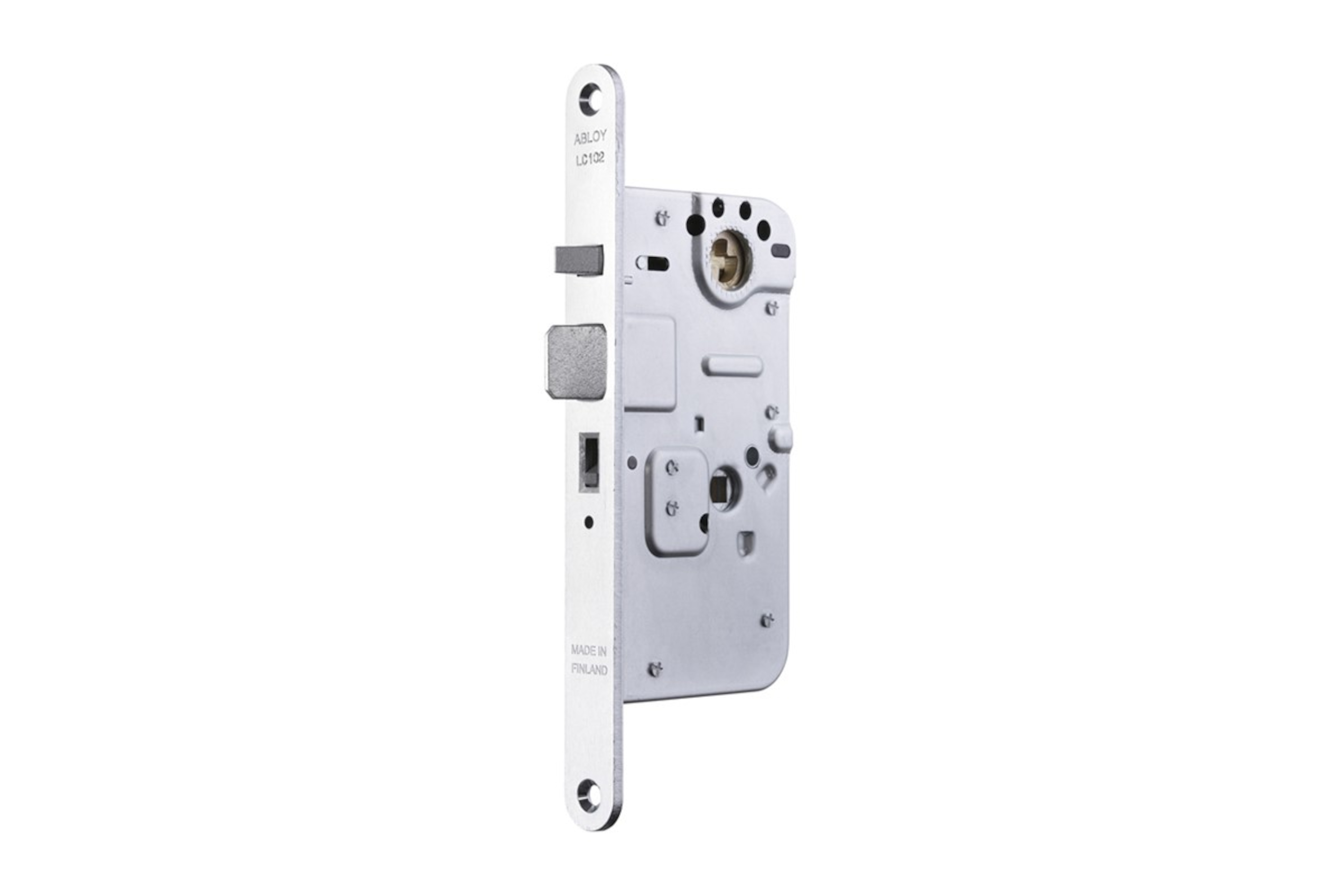
Lock case LC102
The lock must always be equipped with handles on both sides of the door, as the lock is only operated by the handles. The deadlocking is controlled by a snib in the forend. When the snib is in deadlocking mode, the door is opened by turning the outside key 180° or the inside thumbturn 90°. The handles are then activated, and the latchbolt can be retracted. When the snib is in its up position, the lever handles are activated by the key or the thumbturn. When the snib is in its down position, the handles work normally. The lock case is fitted with a feature to prevent unauthorized use of the snib. The snib is locked to the deadlocking mode by turning a set screw, located below the snib, about two turns anticlockwise by a hexagonal key, until the screw stops and is opened by turning the screw clockwise. The lock case works with the 4690, 4691, LP711, LP714, LP721, and LP731 striker plates (Recommended: 4692 and 4693 for the LC102X).
- Striker plate 4690 | ABLOY for Trust
- Striker plate LP711 | ABLOY for Trust
- Striker plate LP714 | ABLOY for Trust
- Striker plate LP721 | ABLOY for Trust
- Striker plate LP731 | ABLOY for Trust
EU Declaration of Performance:Lock Case Brochure:
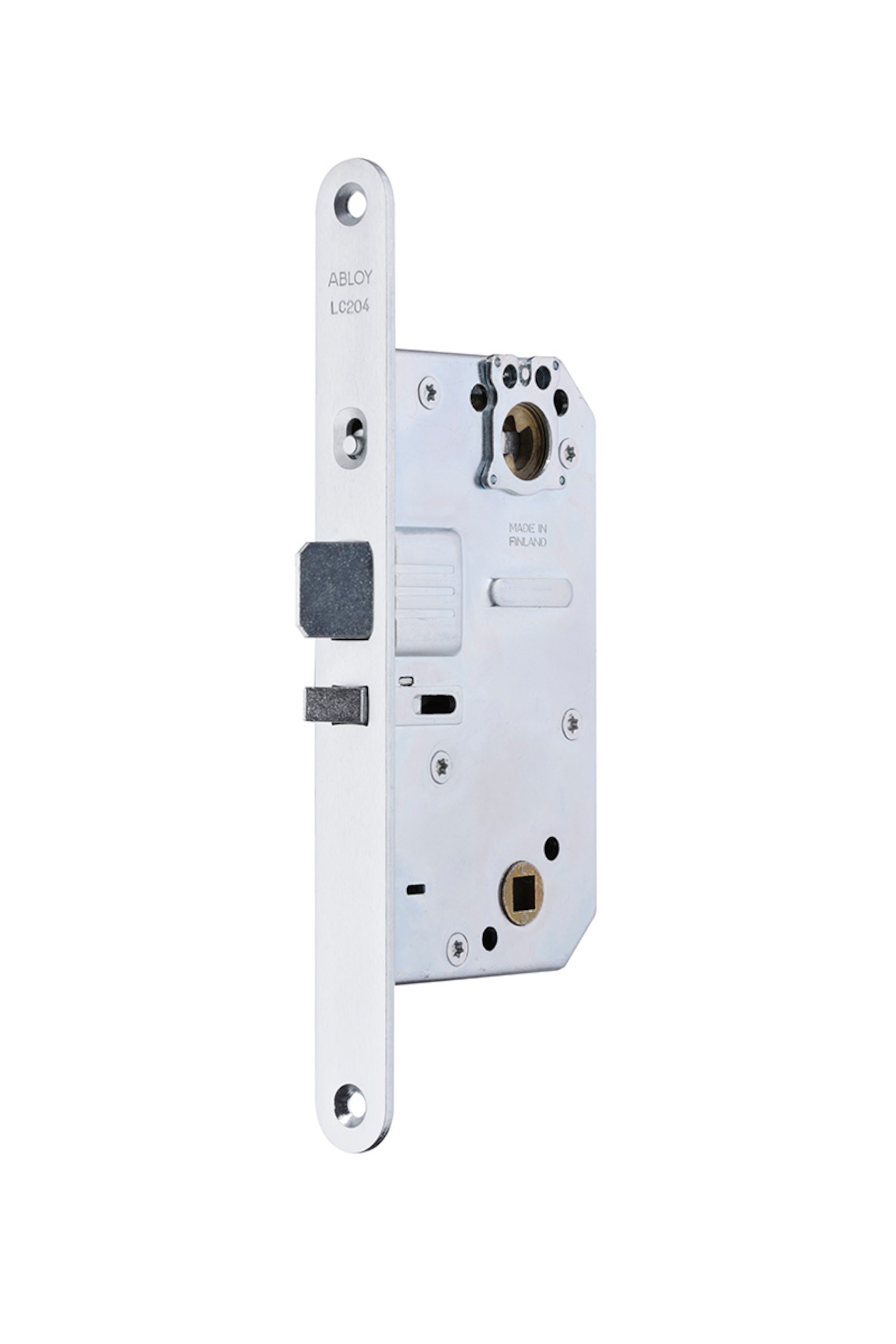
Lock case LC204
Automatically deadlocking lock case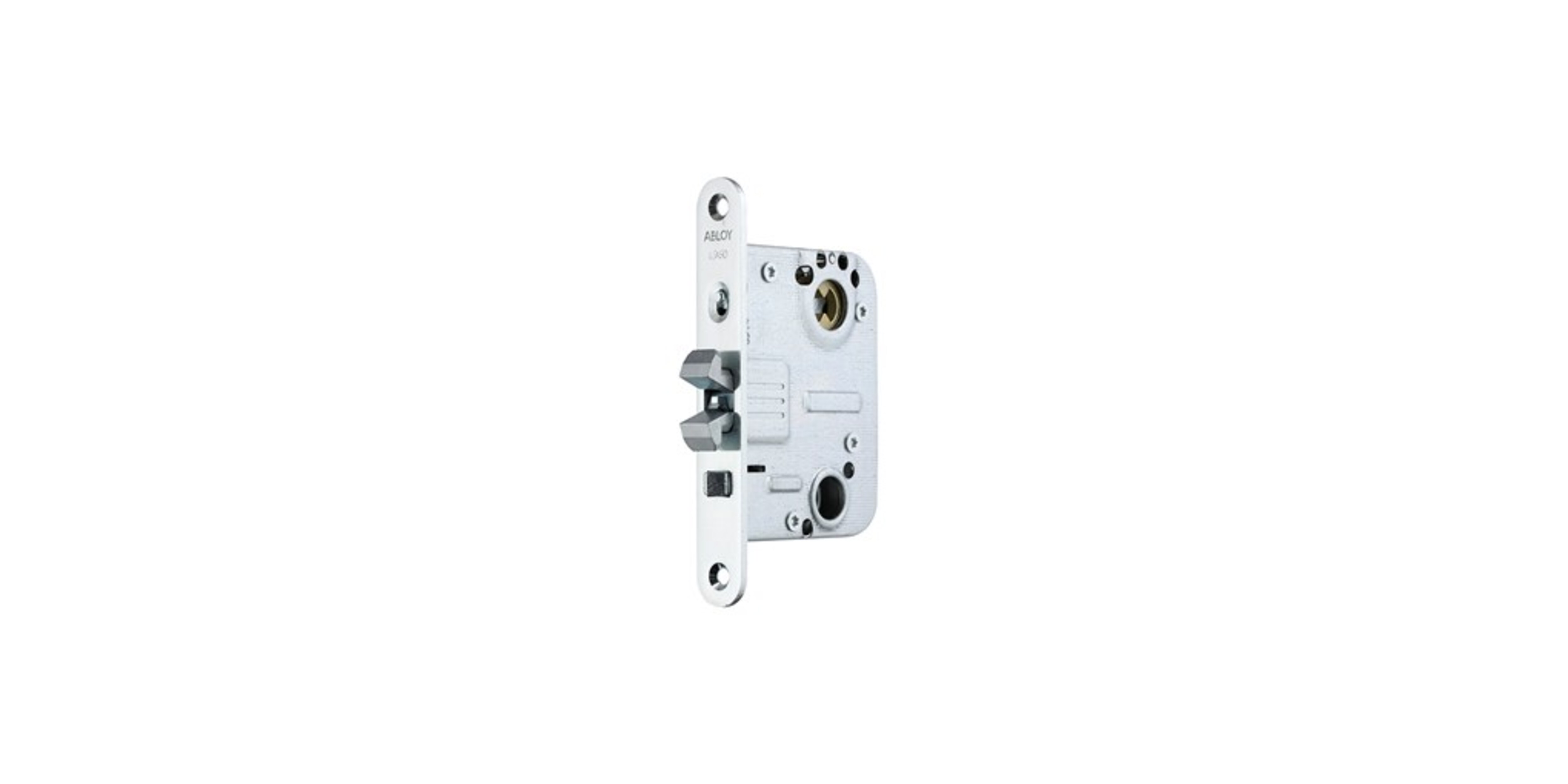
Lock case 4960
Automatically deadlocking lock case for folding- and sliding doors.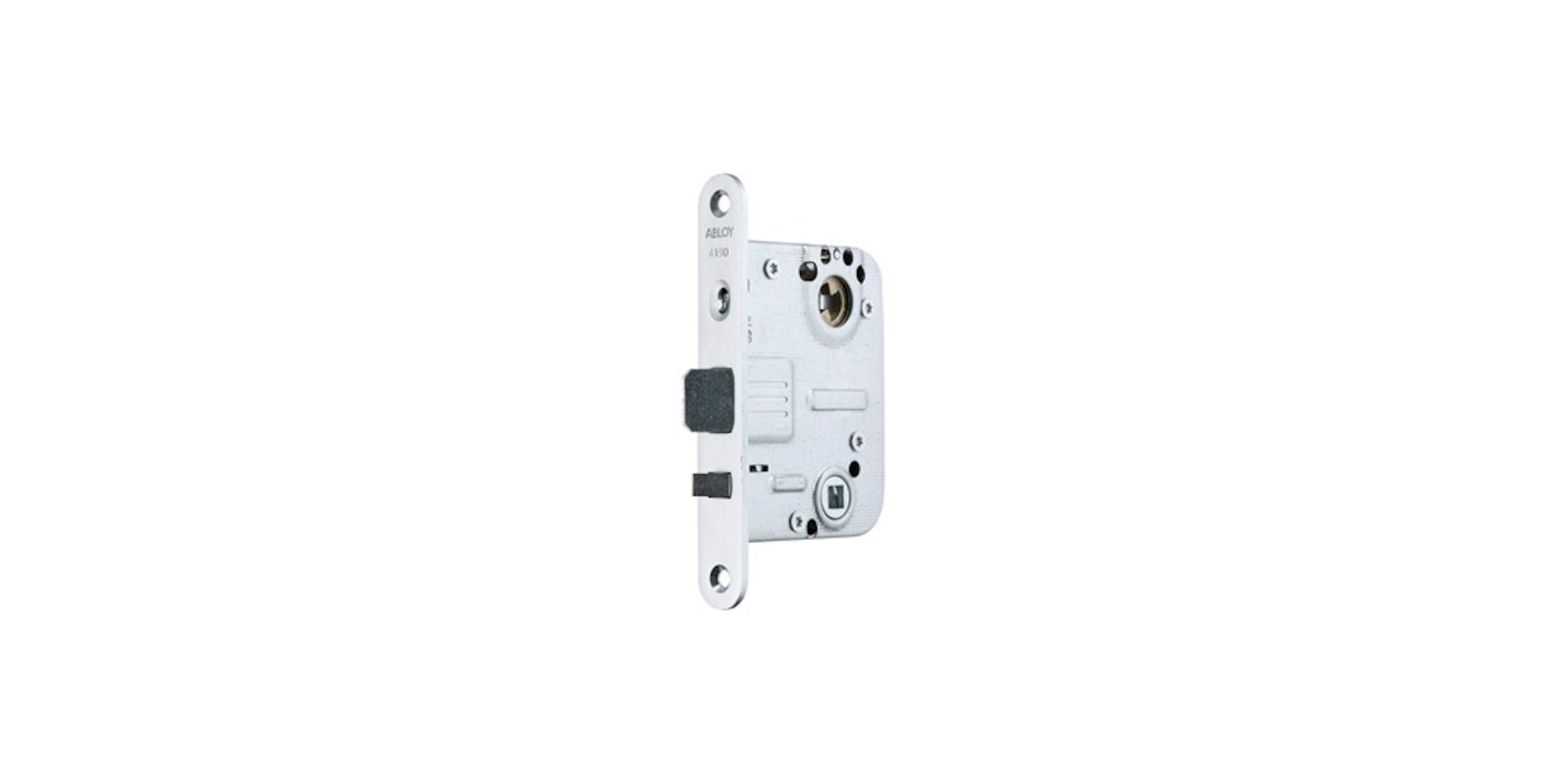
Lock case 4190
Automatically deadlocking lock case.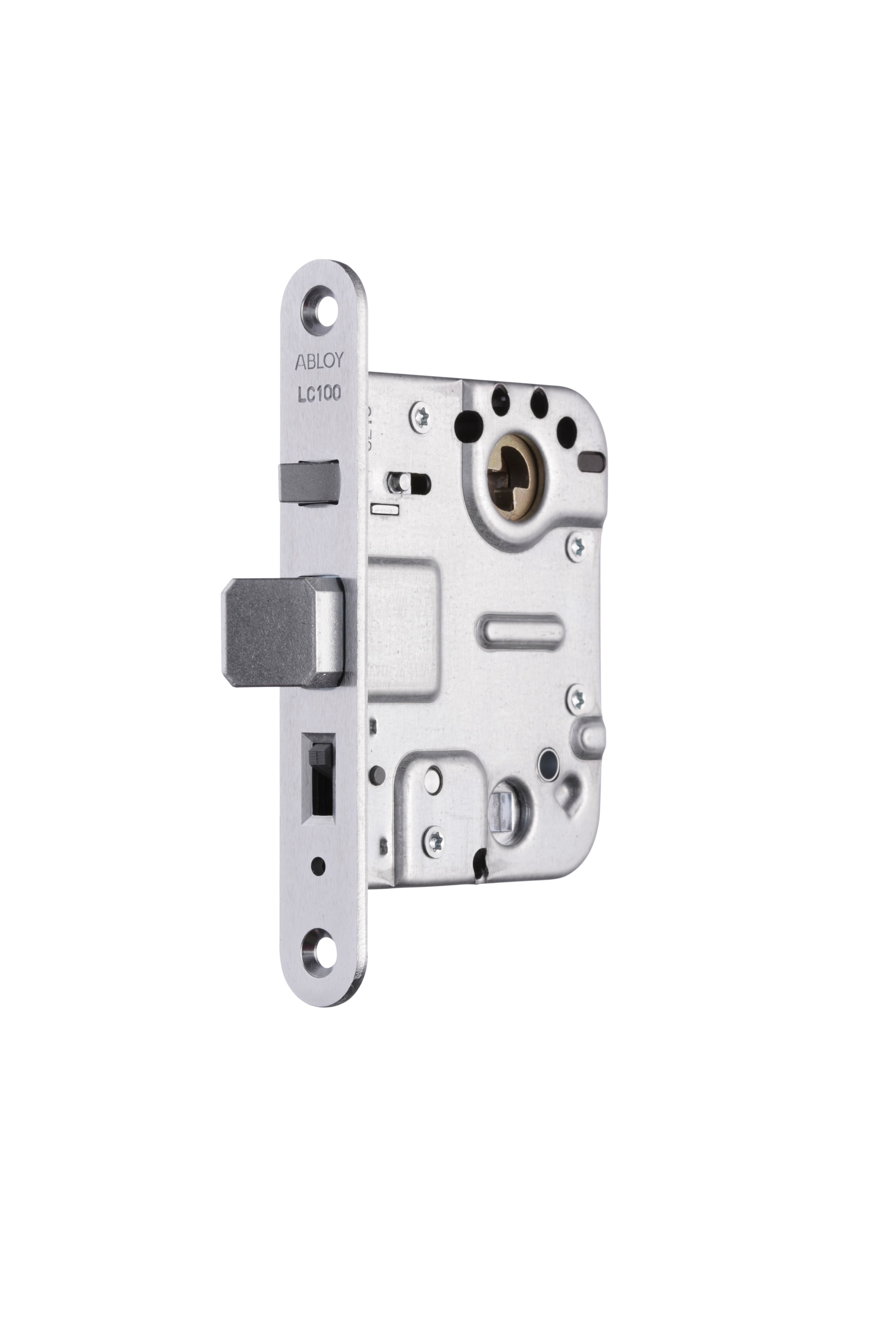
Lock case LC100
Lock case with handles on both sides.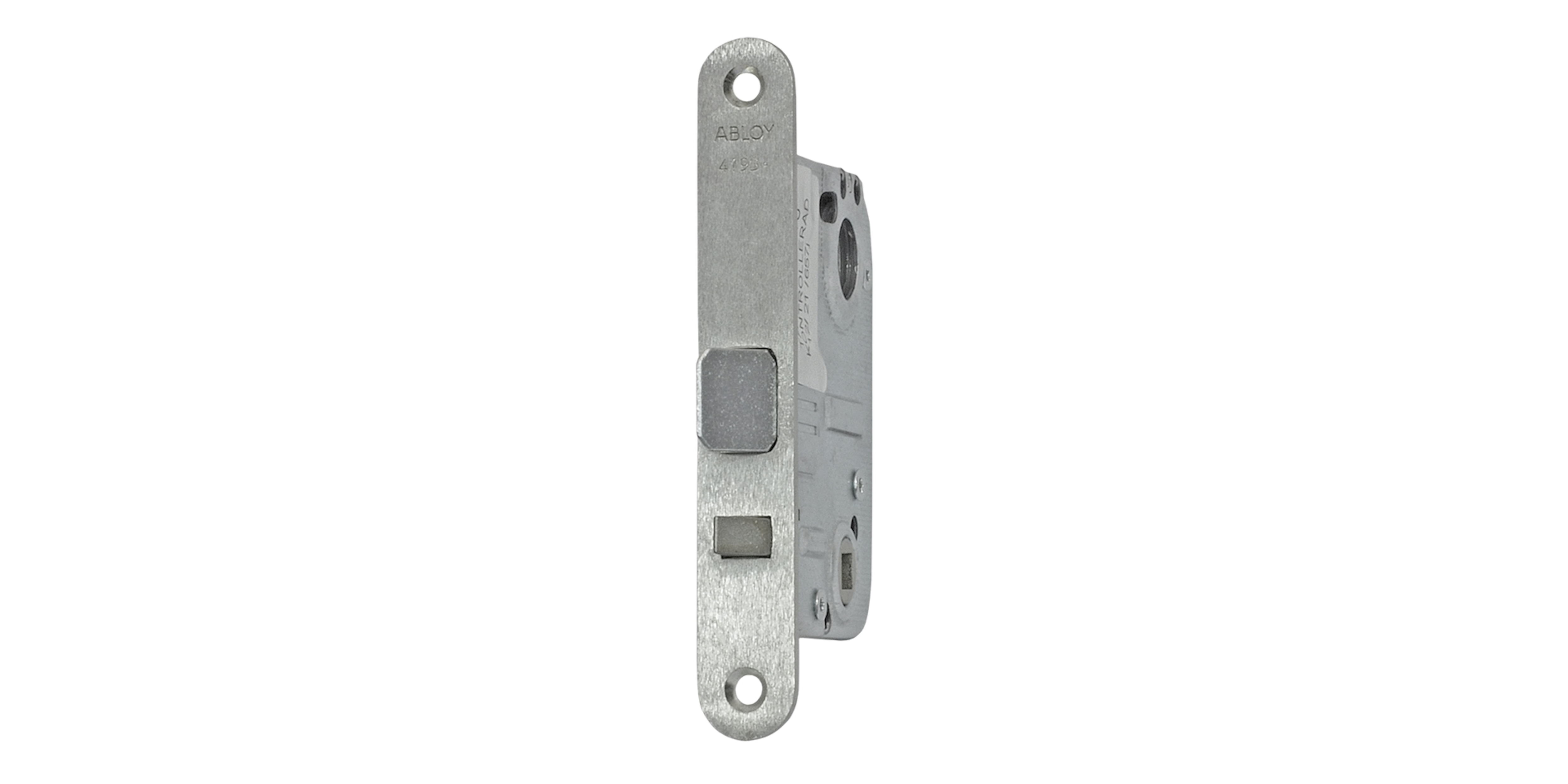
Lock case 4193
Automatically deadlocking lock case with an emergency thumbturn.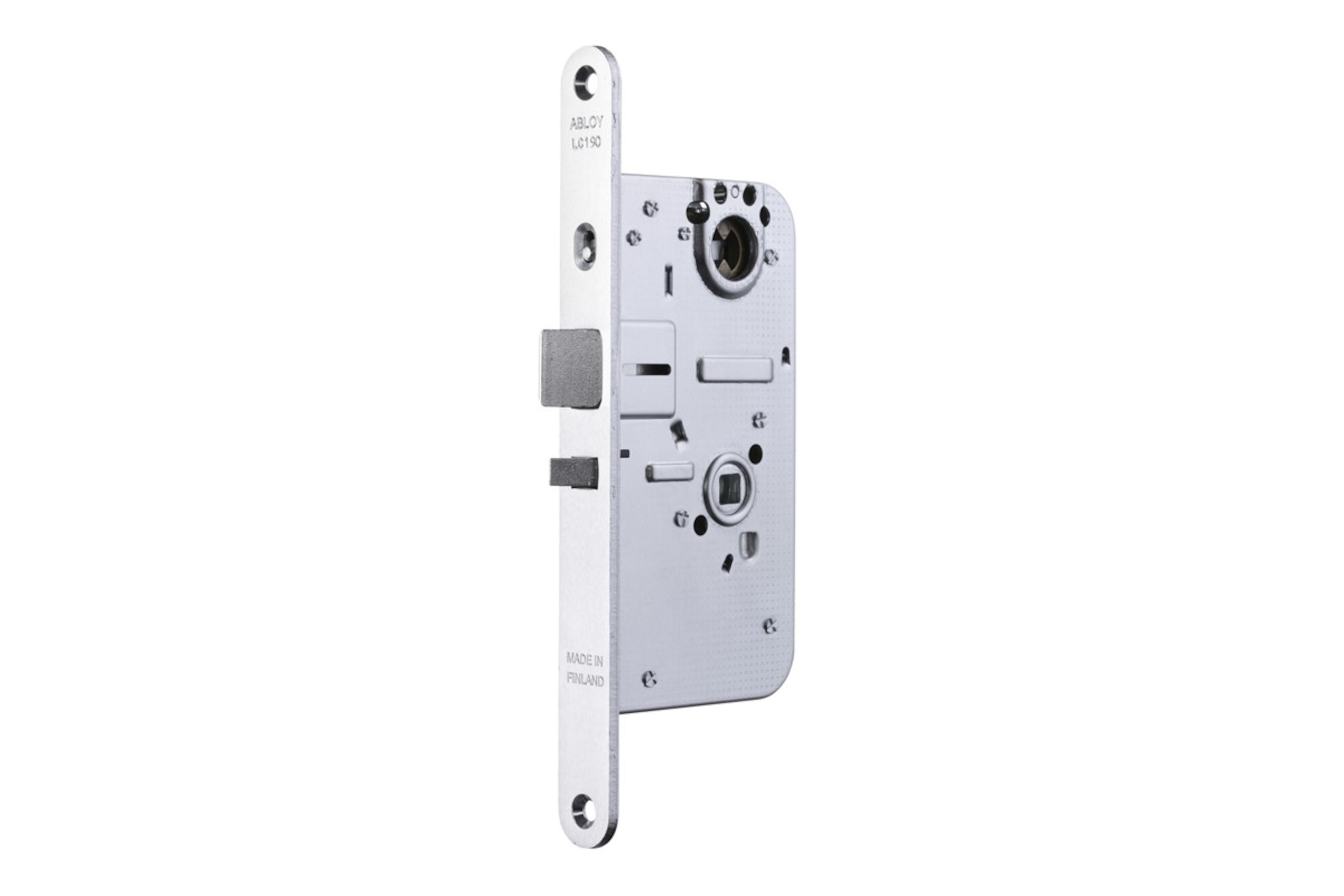
Lock case LC190
Automatically deadlocking lock case with a day use function.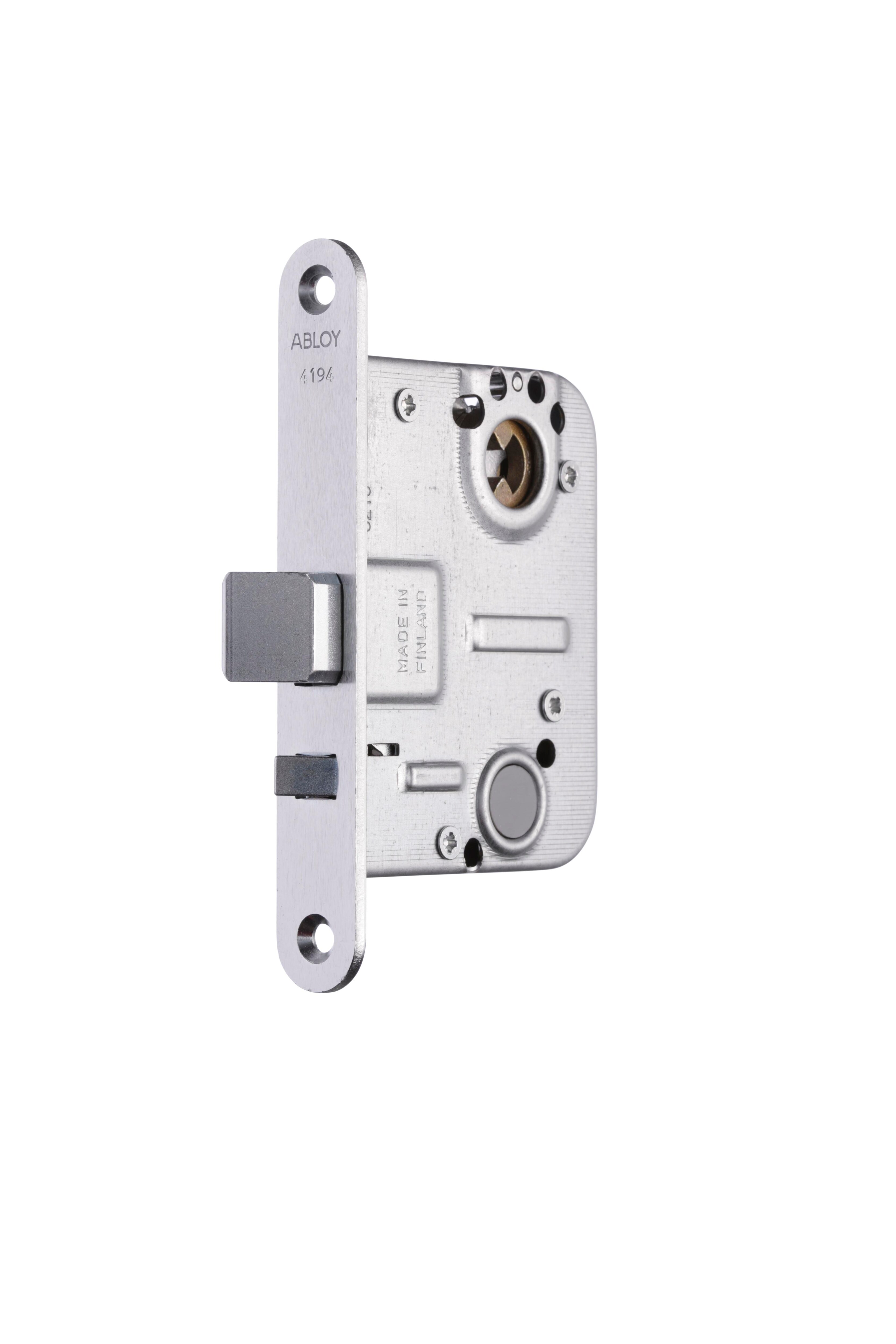
Lock case 4194
Automatically deadlocking lock case without handle function.