
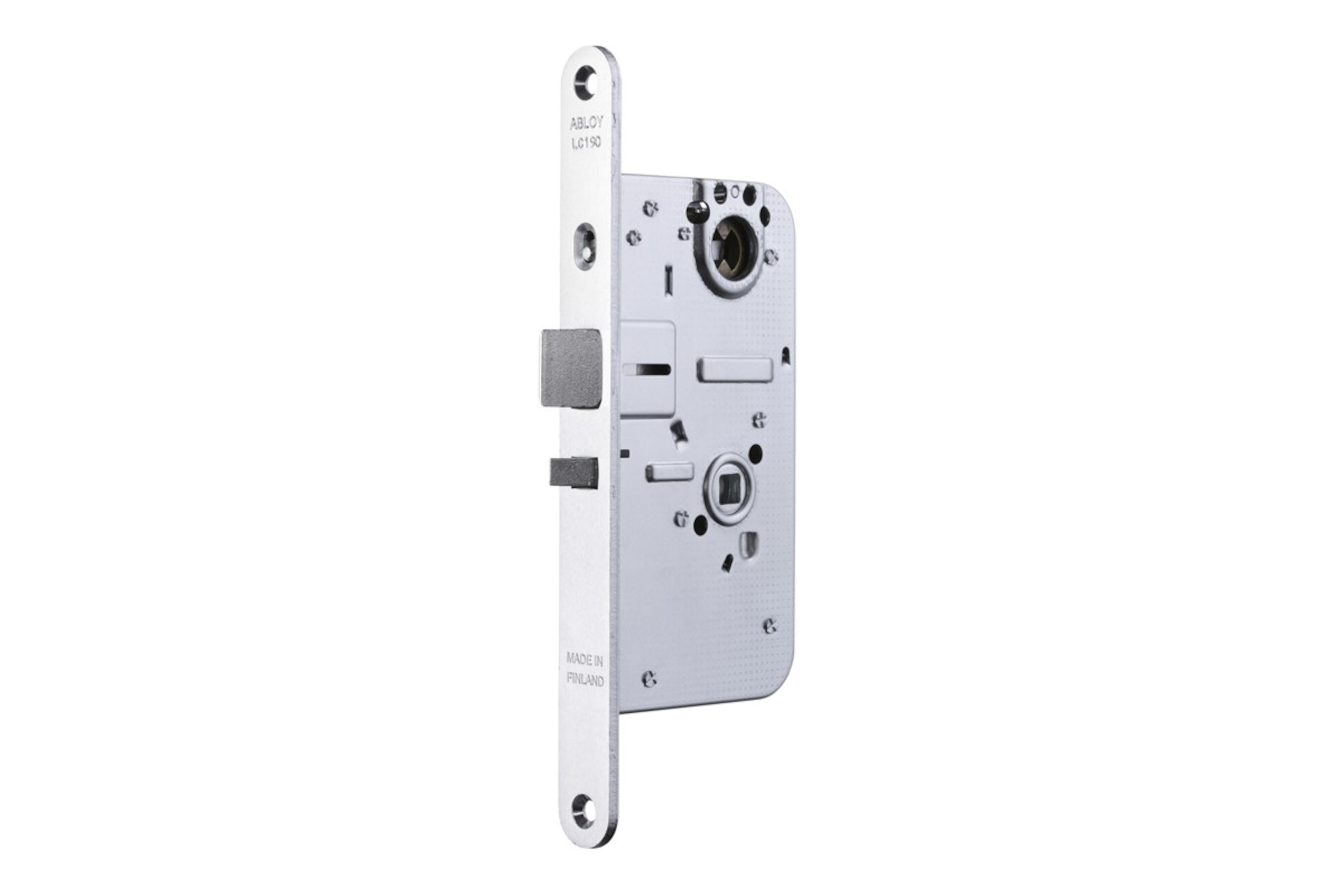
Lock case LC190
The latchbolt is deadlocked when both triggering bolt and latchbolt are retained inside the lock case. The deadlocking is controlled by a snib in the forend. The lock case is fitted with at feature to prevent unauthorized use of the snib. The snib can be moved by turning first the key or thumbturn. When the snib is in its up position, the door will deadlock when closed, and can be opened by a key or by the thumbturn. When the snib is in its down position, the lock can be also be opened by the handles.
The lock case works with the 4690, 4691, LP711, LP714, LP721, and LP731 striker plates.
Fire resistance: solid doors EI1 15 - EI1 30 and EI2 15 - EI2 30, Metal doors EI1 15 - EI1 120 and EI2 15 - EI2 120
Fill Classification 1 of the national burglary protection standards SFS 7020 and SFS 5970.
Mortice standard: OneFit.
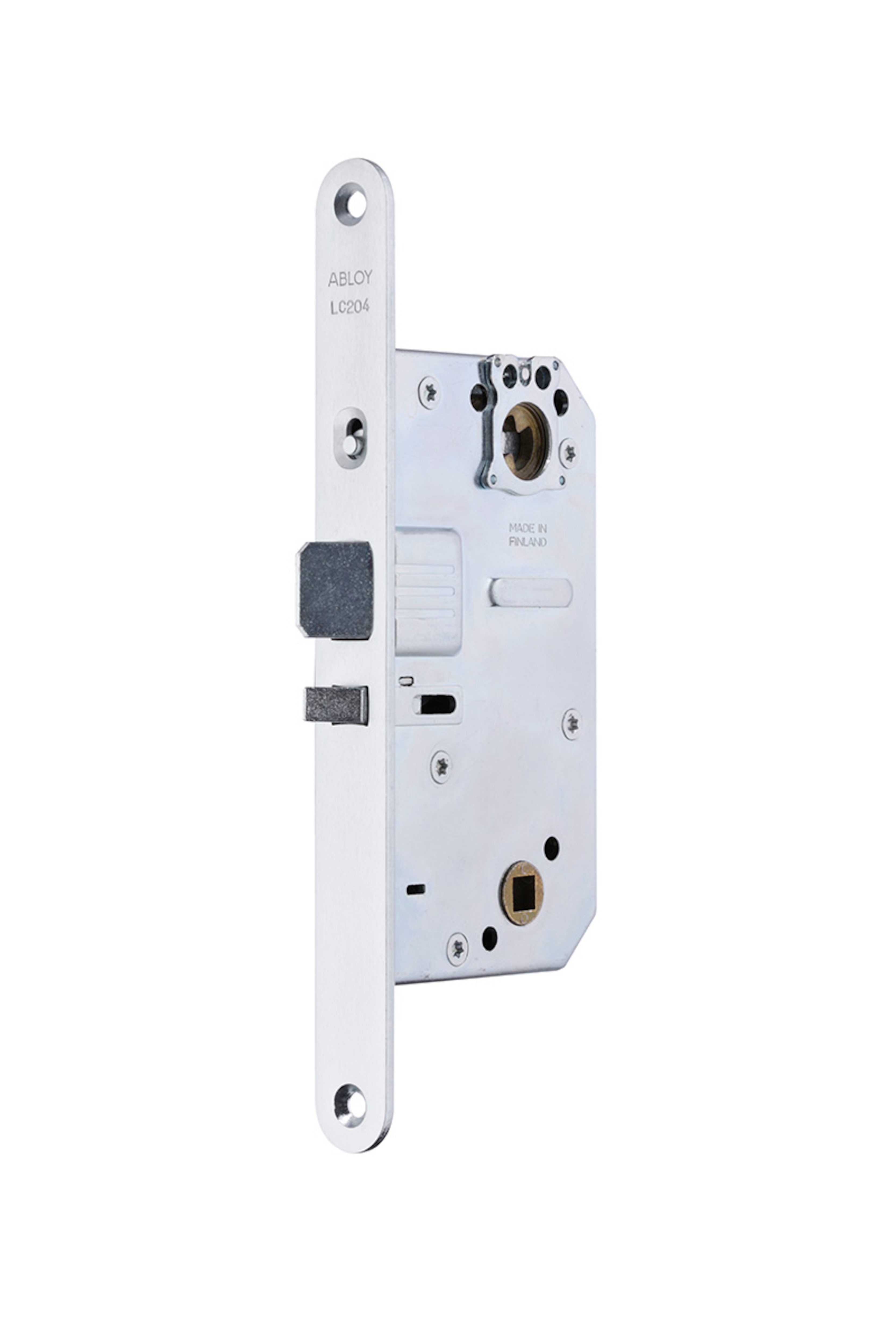
Lock case LC204
Automatically deadlocking lock case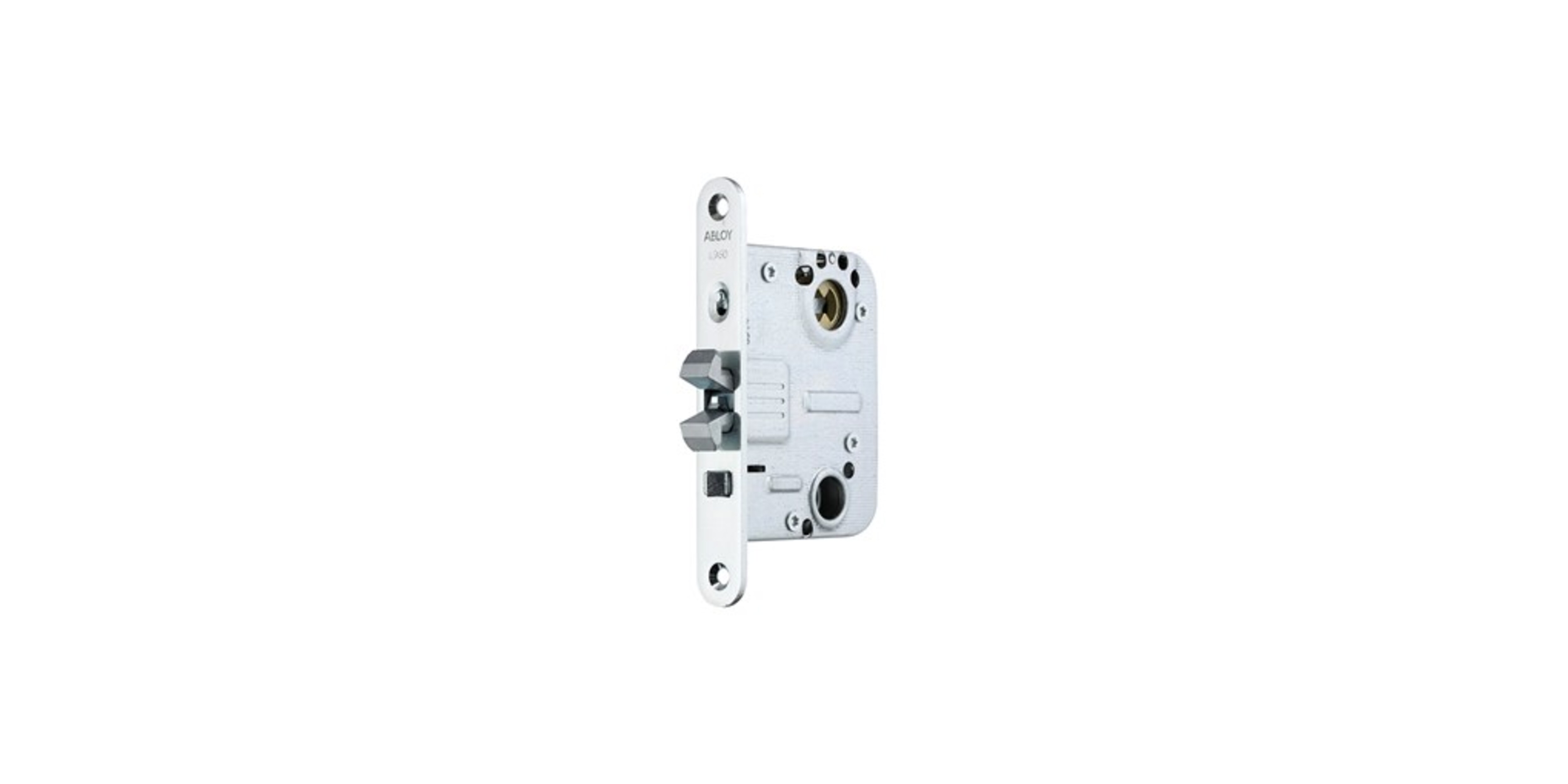
Lock case 4960
Automatically deadlocking lock case for folding- and sliding doors.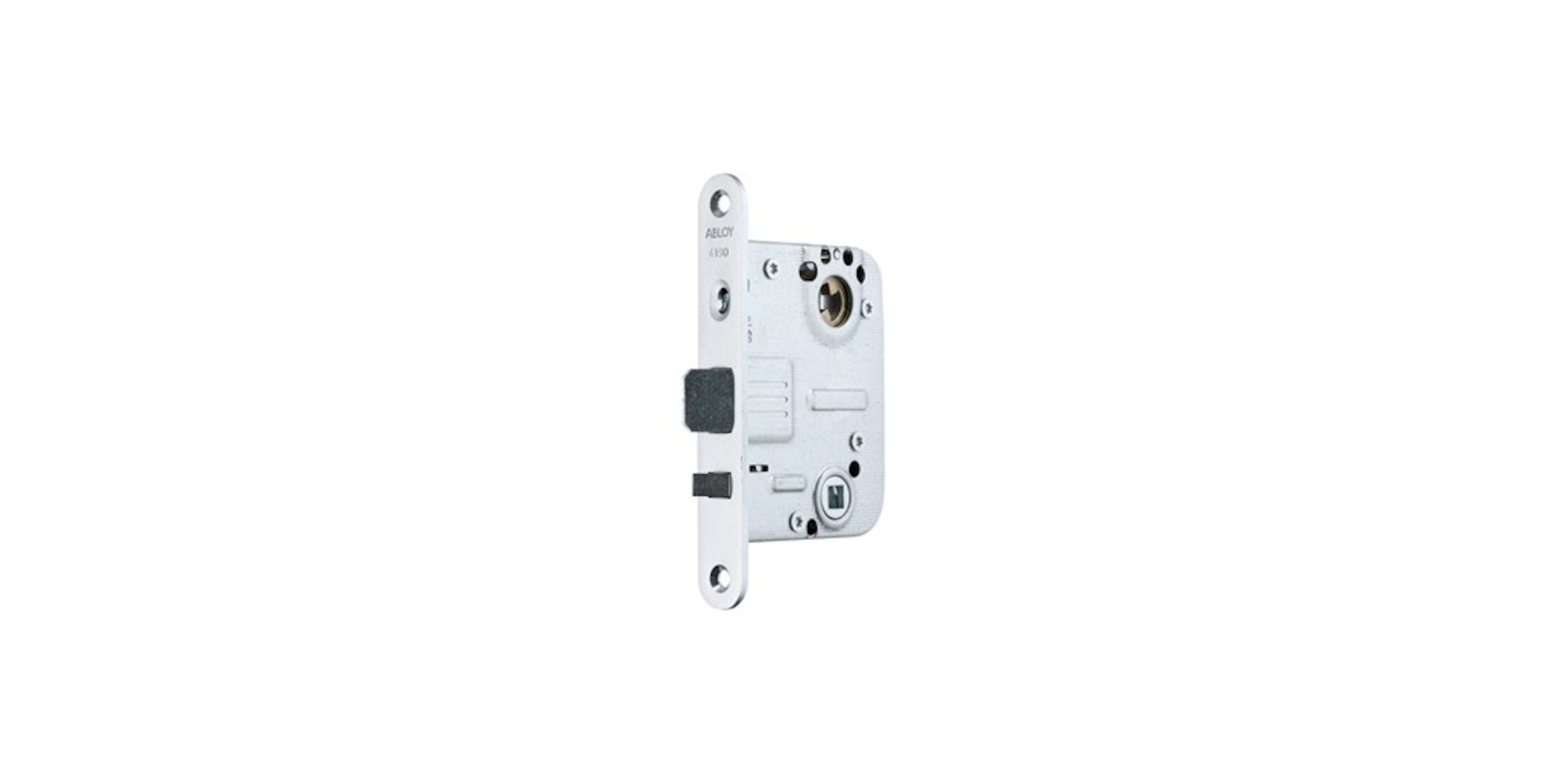
Lock case 4190
Automatically deadlocking lock case.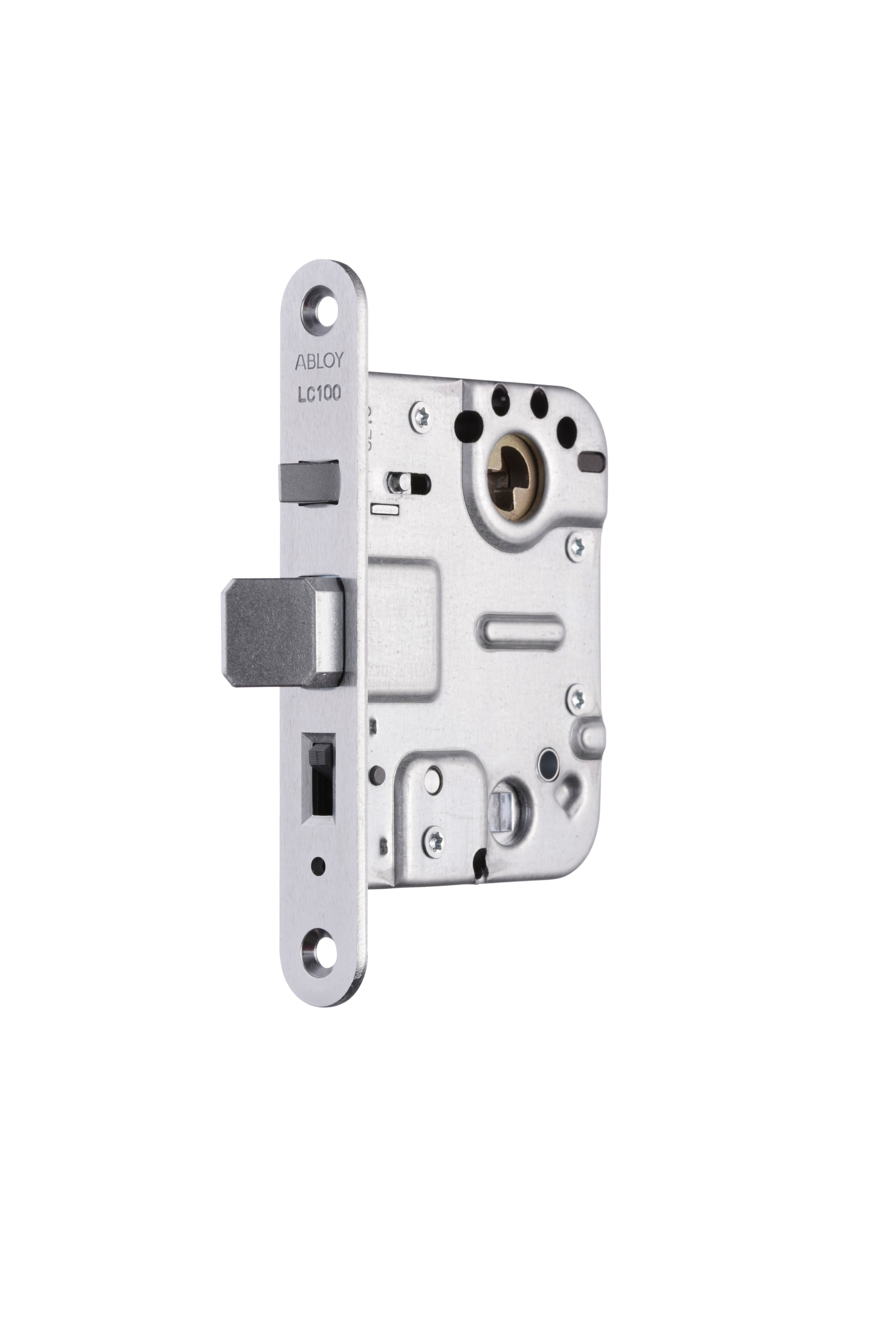
Lock case LC100
Lock case with handles on both sides.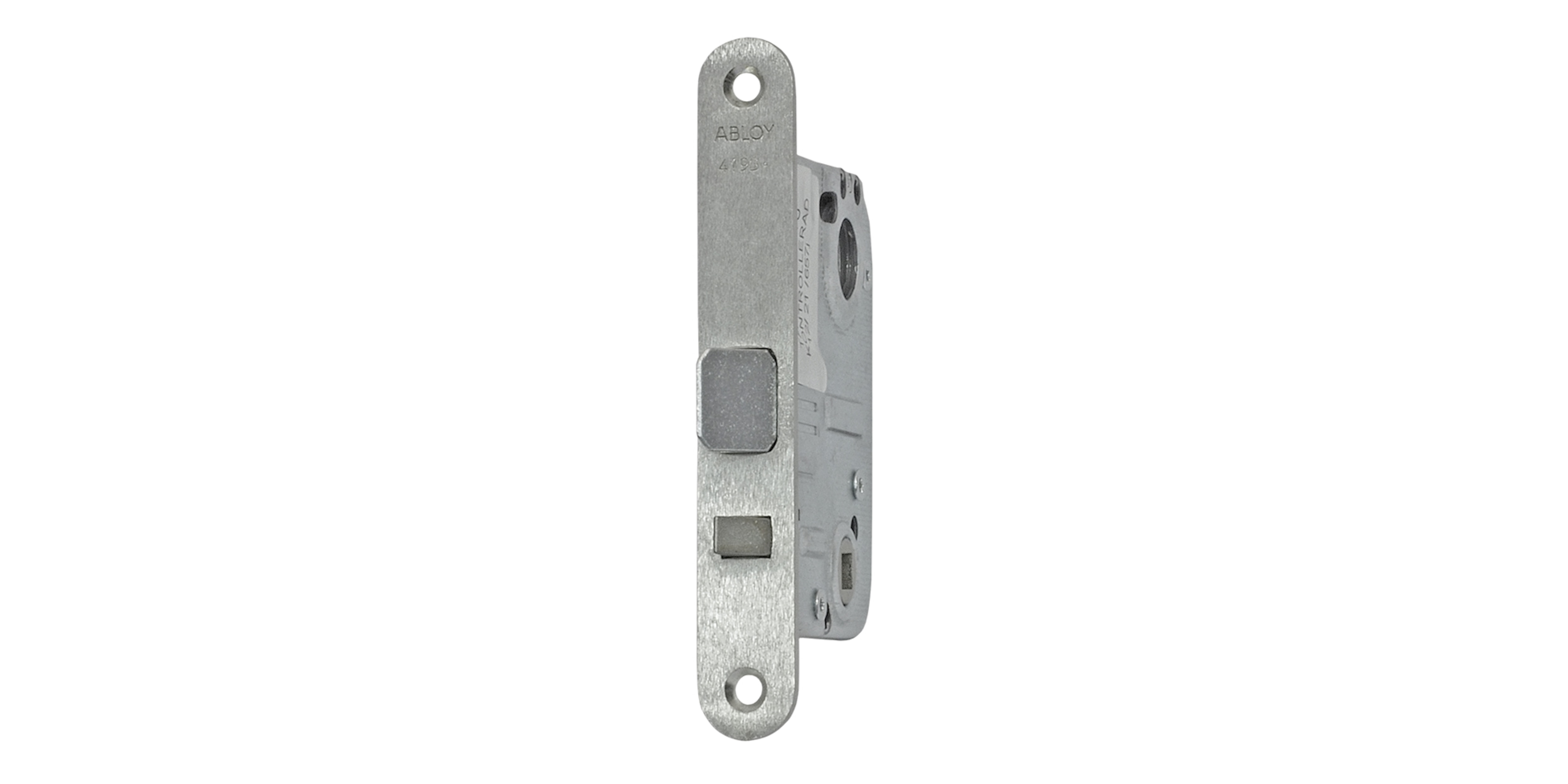
Lock case 4193
Automatically deadlocking lock case with an emergency thumbturn.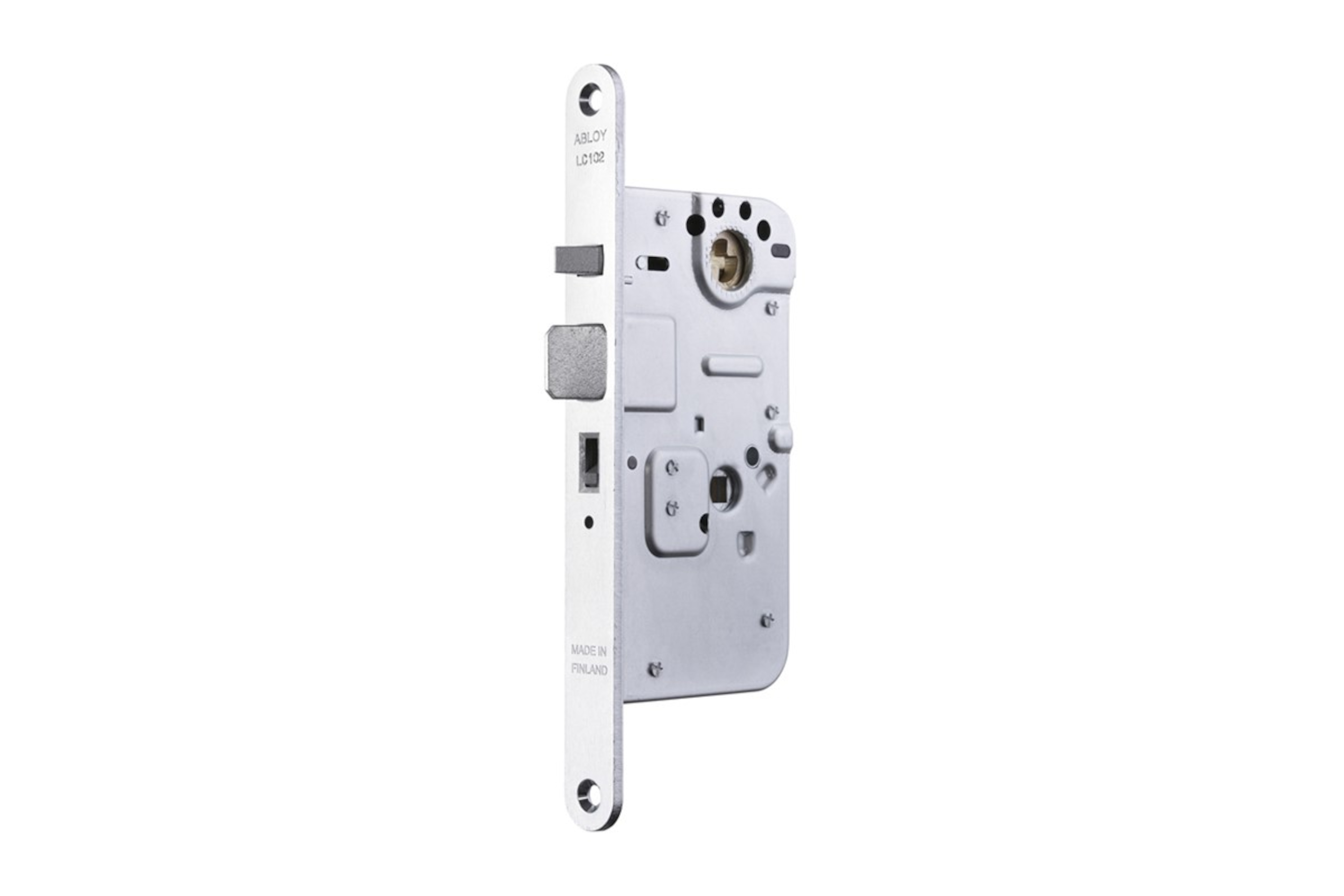
Lock case LC102
Automatically deadlocking lock case with handles on both sides.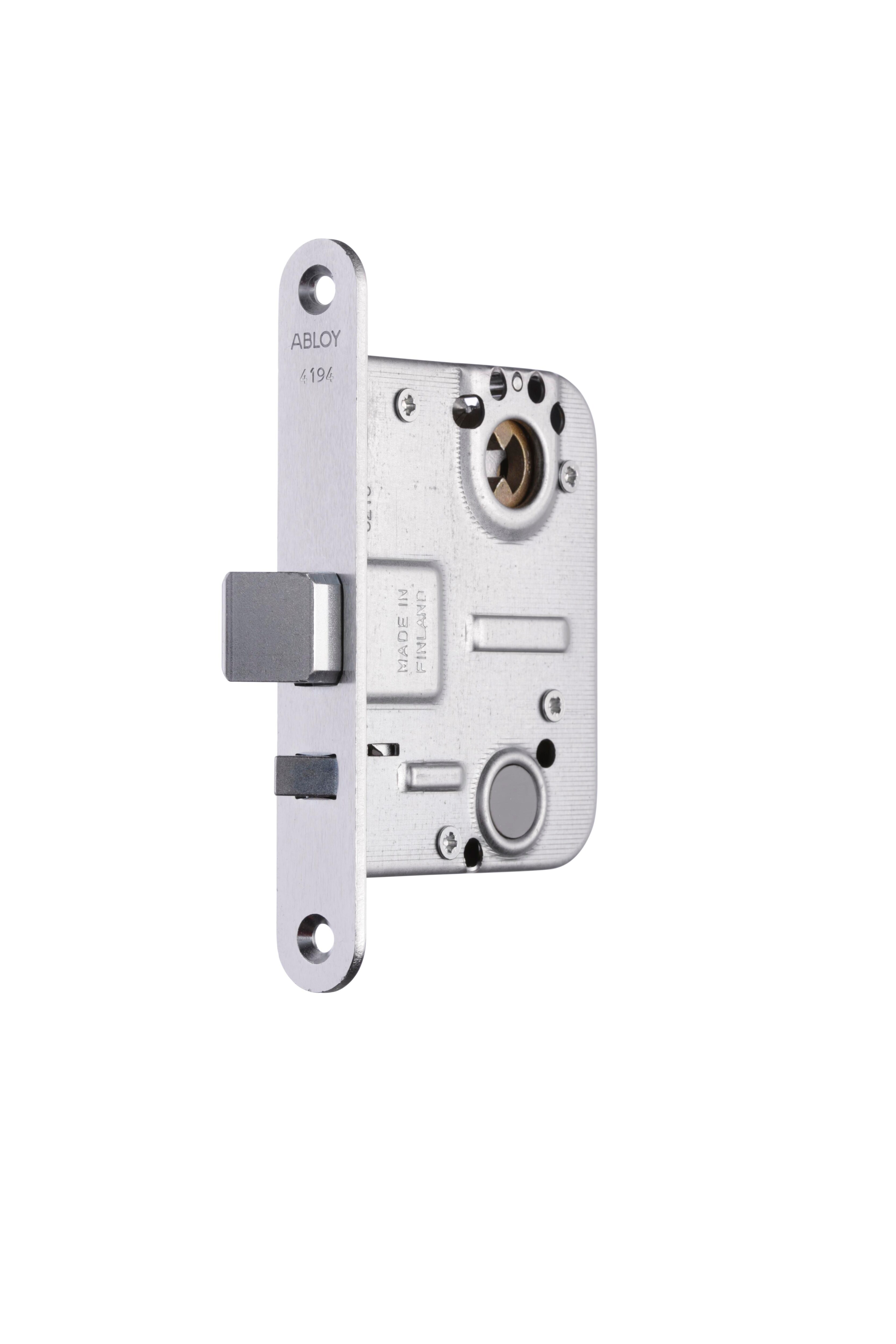
Lock case 4194
Automatically deadlocking lock case without handle function.