
Operations
Sustainability is a journey of continuous improvement
Sustainability is embedded in our day-to-day operations.
By committing to science-based targets (SBTi), we have set long-term goals aligned to the Paris Agreement. To reach our ambitious goals, we review our operational sustainability from a holistic perspective and are constantly looking for ways to improve.
Modern ABLOY factory driven by smart processes
Abloy's factory, located in Joensuu, Finland, was established already back in 1968. Today, we deliver 3,4 million products annually and utilise smart processes, automation and collaboration between labor and robotics.
To us, striving for efficiency in our production goes hand in hand with sustainability. Our factory electrified with renewable energy and we are continuously aiming to improve our operations.
Aiming to energy savings
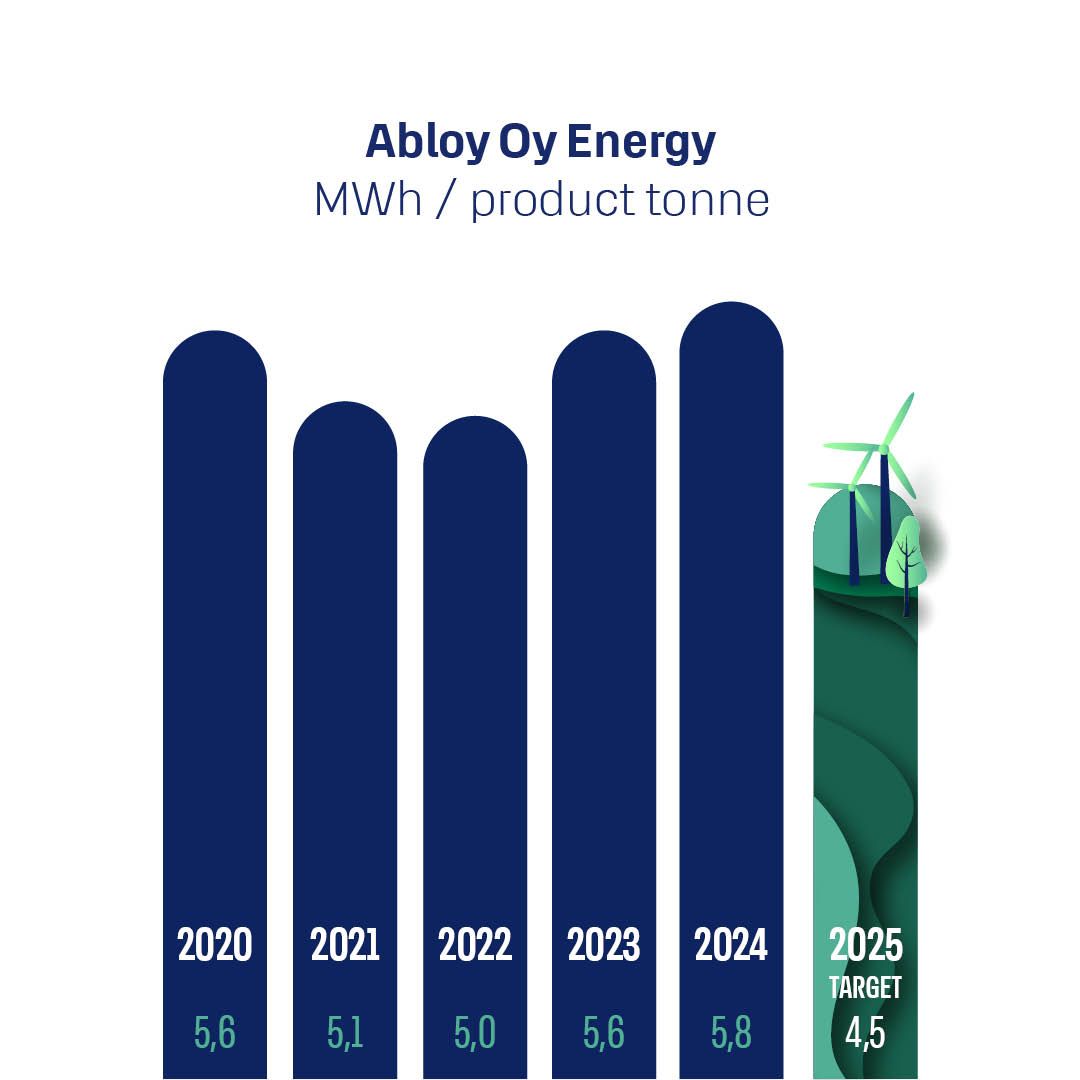
We are constantly aiming to save energy. As an acknowledgement of our persistent efforts, we hold an ISO 50001 energy management certificate, which requires a strong commitment and systematic approach to improving energy efficiency.
Due to production structure changes and increased amount of digital products and services, our specific energy consumption has increased in recent years. However, we have been able to decrease our total energy consumption and we continue to improve our energy efficiency with various actions, such as improvements to property energy efficiency and better control of compressed air leakage.

Favouring low carbon energy sources
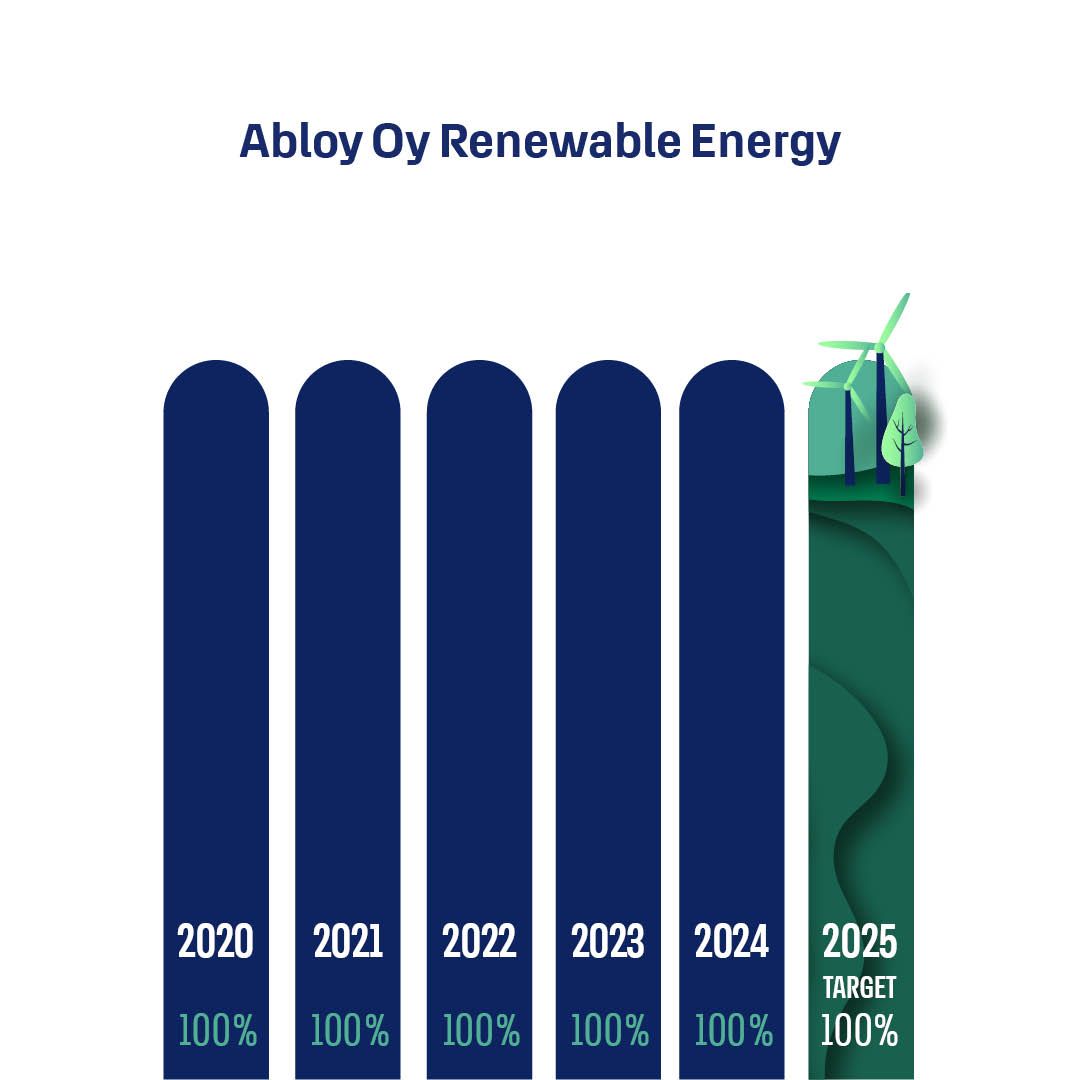
The electricity we purchase has come from 100% renewable sources since 2013 and we have used carbon-neutral district heating since the beginning of 2018. In 2020, we installed 604 solar panels on the factory roof with a rated capacity of 200 kW. Since their installation, the panels have produced 642 MWh of electricity.
Our local deliveries in Joensuu around factory area are handled with electric car. Starting in 2025, all new company vehicles will be fully electric, unless a justified exemption is granted. The last hybrids and combustion engine vehicles will be phased out by 2027.

Saving water
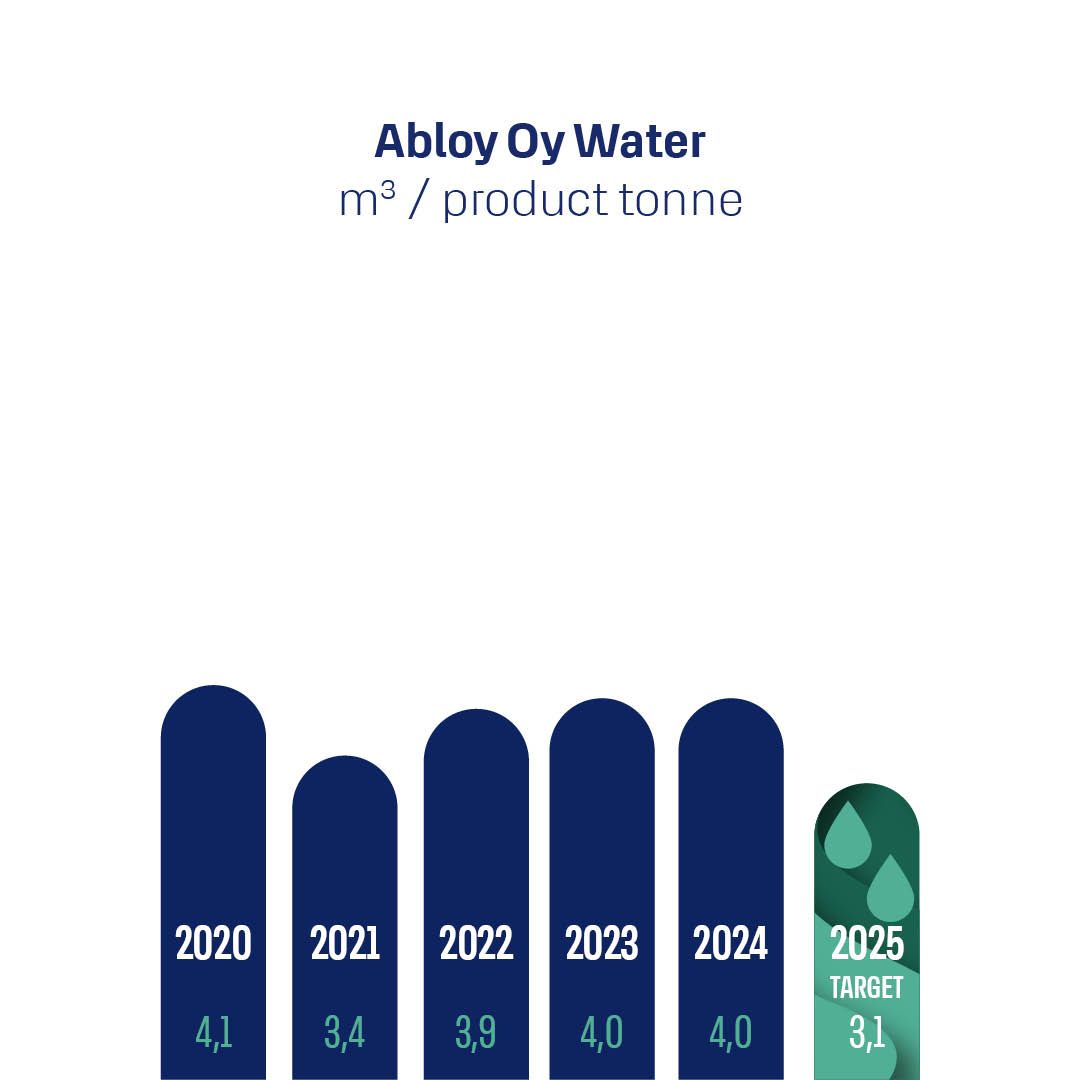
Our goal is to decrease our absolute water consumption -25% by the end of 2025 (ref. 2019) and we are moving towards this goal at a good speed. In 2024 our specific water consumption remained at the same level as the previous year while our absolute water consumption decreased almost already reaching our 2025 target. Our work continues towards the 2025 goals focusing especially on process water consumption savings.

Zero waste to landfill
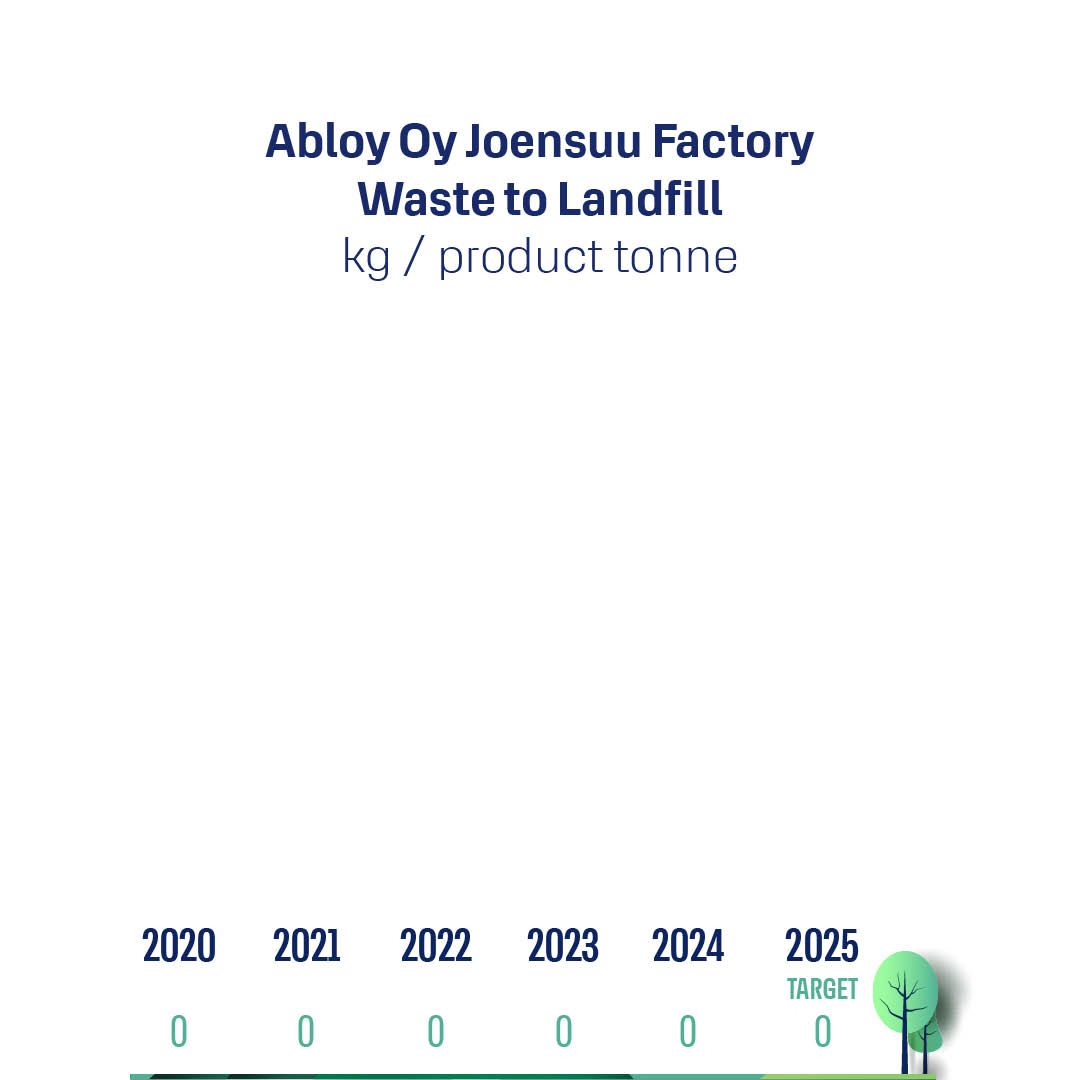
Our Joensuu factory is landfill-free. Our waste management is guided by The Carbon Trust Standard for Zero Waste to Landfill. These requirements also apply to our waste operators. The amounts of hazardous waste we produce are being reduced through training and anticipatory maintenance of machines. Production waste is sorted and recycled wherever possible – for example brass chips from production are recycled to brass bars and they will get a new life as a valuable raw material.

High product quality is a priority at Abloy
ABLOY products are used to protect personal safety, property, business and assets. Therefore, we have a responsibility to provide high quality products for our customers’ needs and security.
In the product quality process, less is more: less waste, less poor quality in production processes, less returned products and less customer complaints. Watch the video to find out more!
UN Sustainable Development Goals
As a part of the ASSA ABLOY Group, we are committed to the UN Sustainable Development Goals.